
The Queens Mixtape Blueprint That Broke the Industry
In the winter of 2002, New York City’s independent record economy had a quiet, unwritten etiquette. Mixtapes were the domain of the curator—DJs like Clue, Kay Slay, and Kid Capri who treated a 74-minute CD-R like a curated museum gallery, stitching together hot radio records with exclusive 16-bar freestyles from hungry MCs begging for a slot. The DJ was the gatekeeper; the rapper was the guest.
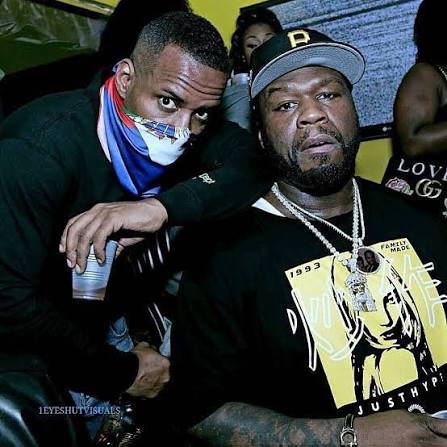
Then came a blackballed pariah from Southside Jamaica, Queens, and a Haitian-American disc jockey from Brooklyn who treated a mixtape not as a gallery, but as a pirate radio station with no FCC to answer to.
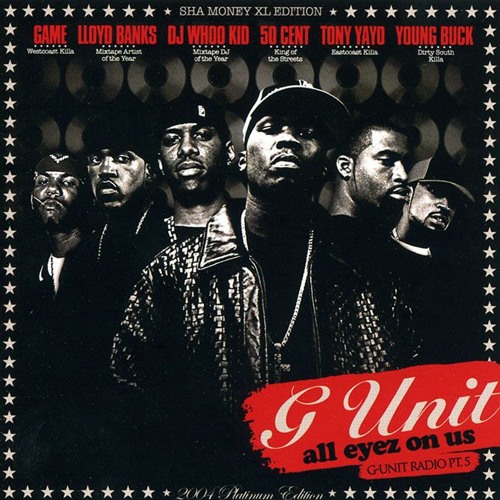
Between 2002 and 2007, 50 Cent, G-Unit, and DJ Whoo Kid didn’t merely participate in the mixtape circuit—they staged a hostile takeover of it, turning burnt CDs in slim jewel cases into the most lethal direct-to-consumer media network in modern music history.
I. The Counter-Programming Coup (2002)
After surviving nine bullets and getting unceremoniously dropped by Columbia Records in 2000, 50 Cent was radioactive. Major labels wouldn’t touch him, and terrestrial radio wouldn’t spin him. Most artists in that purgatory either fade away or beg for guest verses. Instead, 50 Cent—alongside Lloyd Banks, Tony Yayo, and producer Sha Money XL—decided to treat the gray-market street economy like a Fortune 500 distribution pipeline.
They found their ideal accomplice in DJ Whoo Kid. Having cut his teeth engineering tapes for Mobb Deep and Stretch Armstrong, Whoo Kid understood that New York’s real tastemakers weren’t sitting in Midtown corner offices—they were standing behind barbershop chairs on Fulton Street, leaning on car hoods in Harlem, and working the tables at the Colosseum mall in Queens.
Together, they unleashed a four-tape blitzkrieg in 2002: 50 Cent Is the Future, No Mercy, No Fear, God’s Plan, and Automatic Gunfire.
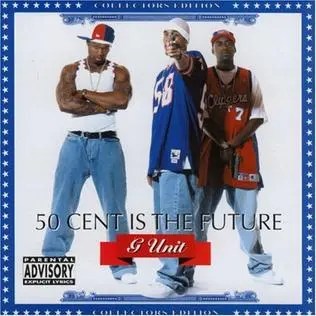
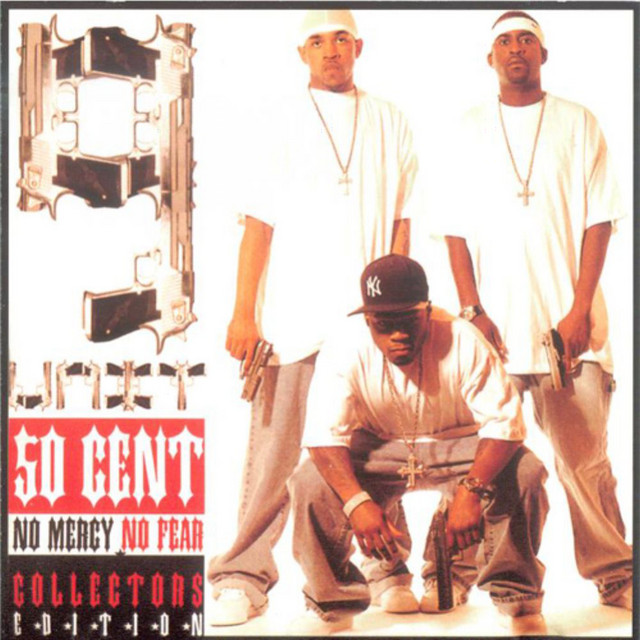
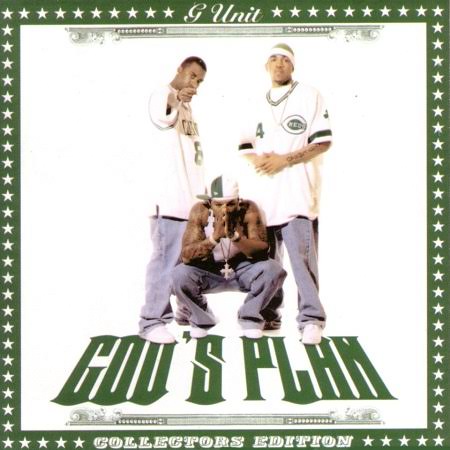
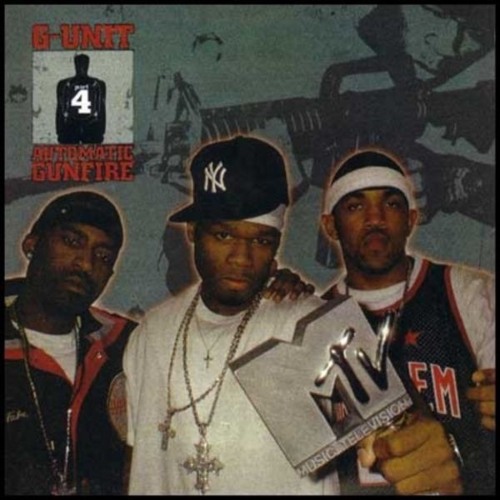
The noise grew so deafening that major-label gatekeepers were forced to capitulate. When Eminem famously heard 50 Cent Is the Future, he didn’t just sign 50 to Shady/Aftermath—he insisted Whoo Kid come aboard as Shady Records’ official DJ, legitimizing an outlaw operation overnight.
II. G-Unit Radio and the Death of the Album Cycle (2003–2007)
When Get Rich or Die Tryin’ moved nearly nine million copies in 2003, conventional industry logic dictated that G-Unit should graduate from the underground—protecting their brand, hoarding verses for $100,000 features, and waiting two years between commercial releases.
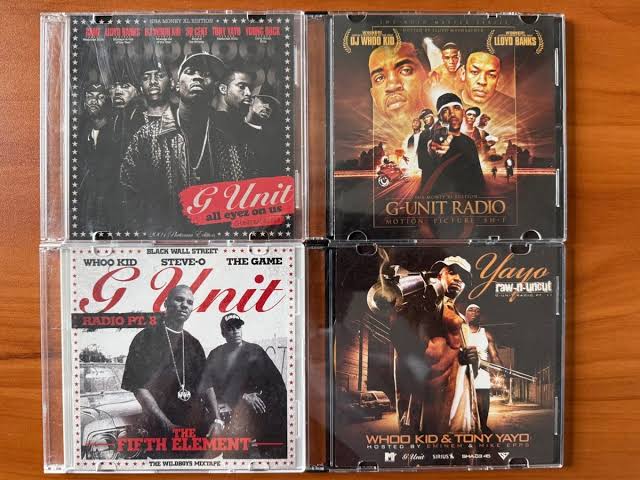
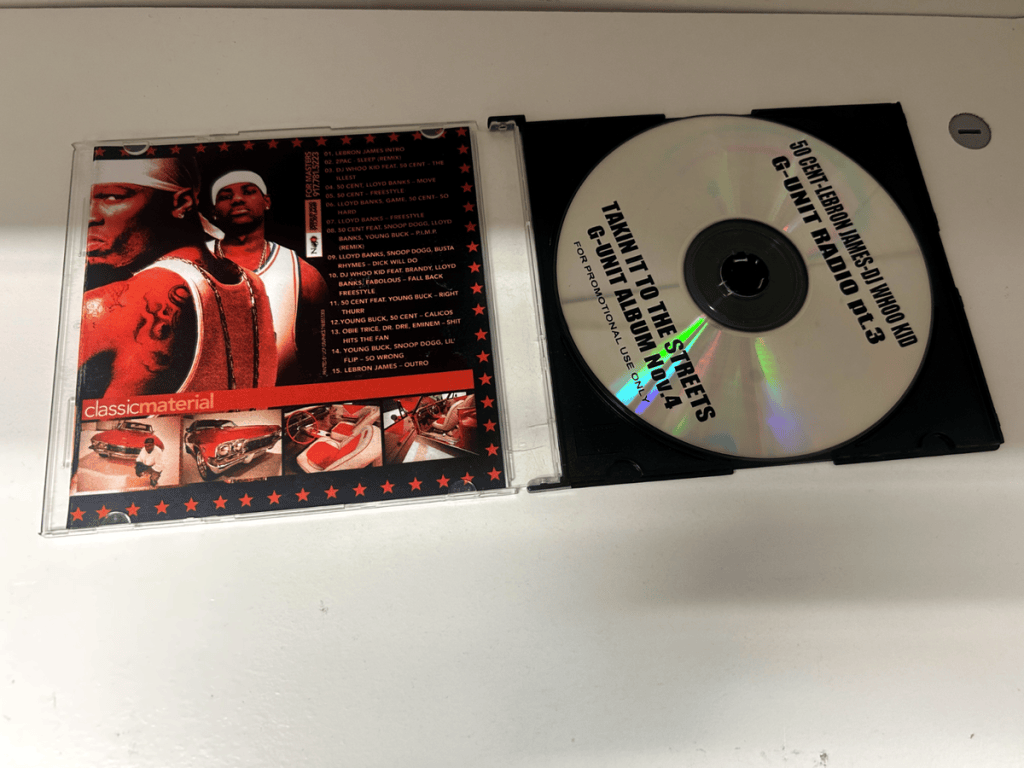
They did the exact opposite. In 2003, Whoo Kid and 50 Cent launched the G-Unit Radio franchise, debuting with Part 1: Smokin’ Day 2, co-hosted by Snoop Dogg. Over the next four years, they rolled out 25 official installments alongside dozens of solo spin-offs (Money in the Bank, 5 and Better, Swine Flu).
G-Unit Radio operated like an unscripted reality show scored by gunfire and punchlines. If a rival took a shot on Hot 97 on a Tuesday afternoon, Whoo Kid was pressing up a response CD by Thursday morning. By the time a G-Unit member finally released a commercial album on Interscope, fans already knew every cadence, catchphrase, and internal dynamic of the crew.
III. The Ghost in the Streaming Machine
Even as physical CDs dissolved into MP3 blogs, DatPiff servers, and eventually algorithmic playlists, the operating system built by Whoo Kid and G-Unit quietly became the default architecture of modern hip-hop:
- The Mixtape-as-Album Template: When Lil Wayne embarked on his legendary Dedication and Da Drought runs in the mid-to-late 2000s—hijacking industry beats and giving away album-caliber music for free—he was scaling the exact blueprint 50 Cent and Whoo Kid drafted in 2002. A decade later, artists like Drake, Future, and Chance the Rapper built empires on free, rapid-fire projects that treated traditional album rollouts as an afterthought.
- Borderless Distribution: While many New York mixtape DJs resisted the internet’s arrival, Whoo Kid weaponized it early. Under his Shadyville banner, he bridged New York street rap with Southern trap—touring and releasing tapes with Waka Flocka Flame—while simultaneously exporting the G-Unit model overseas through collaborations with French, UK, and Latin American artists.
- The « Flood the Zone » Algorithm: Today, when major artists drop surprise deluxe editions, unannounced EPs, or « loosie » packs on a random Tuesday just to keep their names circulating in streaming feeds, they are executing a digitized version of Whoo Kid handing out free CD-Rs on Jamaica Avenue.
IV. The Afterlife of an Outlaw Era
Because those early tapes were built on uncleared, unlicensed samples—rapping over other artists’ multi-million-dollar masters without asking permission—the vast majority of the G-Unit Radio catalog remains locked out of Spotify and Apple Music. Instead, it lives on as a kind of digital folk archive across YouTube uploads, MixtapeMonkey threads, and old hard drives.
Yet its architects never left the building. More than two decades after joining Shady Records, DJ Whoo Kid remains a fixture on SiriusXM’s Shade 45 via The Whoolywood Shuffle—a longevity Eminem formally honored in late 2025 by presenting Whoo Kid with an official Shady Records chain marking over 20 years with the label—while continuing to release projects like Motion Sickness and Fre$H 2 Def alongside his Whoo’s House media platform. Meanwhile, 50 Cent took the exact lessons of G-Unit Radio—control your own distribution, feed your audience relentlessly, and never wait for a gatekeeper’s permission—and scaled them into a television empire with the Power universe.
Before 2002, hip-hop artists asked record executives for permission to be heard. DJ Whoo Kid and G-Unit proved that if you own the streets, the trunk speakers, and the narrative, the industry eventually has to come to you.


Votre commentaire